
What food packages to send by mail?
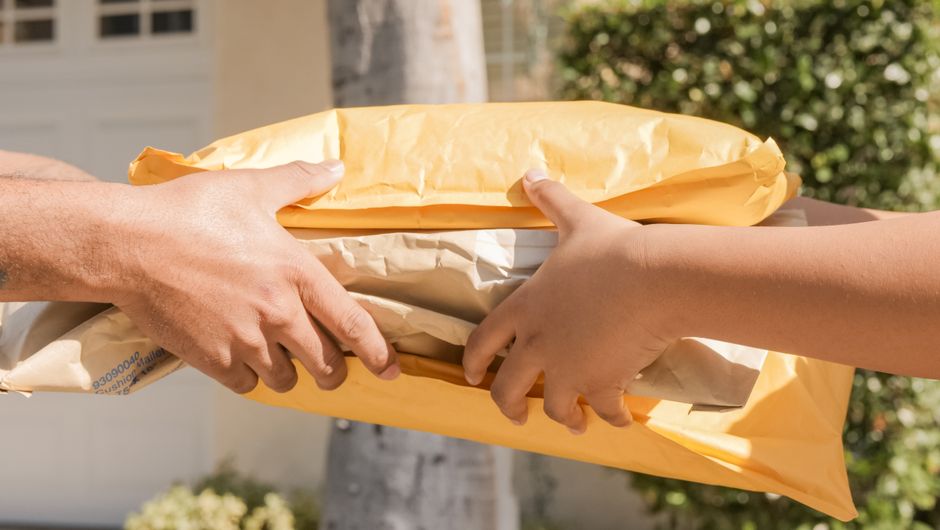
Choose sturdy, shelf-stable food packages to send by mail—such as cookies, brownies, nut breads, dried fruit, candy, or dry mixes—when delivery may take several days. Washington State University Extension says many dry, sturdy foods tolerate 3–5 days in transit, but moist baked goods can mold after 3–4 days. For perishable foods, use cold packing and the fastest practical shipping.
What food packages to send to a friend by mail?
The best food packages to send to a friend are sturdy, shelf-stable selections that fit the delivery window and the recipient’s needs. Start with foods that can take handling and do not require refrigeration: bar cookies, brownies, drop cookies, nut breads, pound cakes, dried foods, spices, nuts, hard candies, caramels, fudge, and dry mixes are among the choices listed by Washington State University Extension.
Think in terms of a transit-time match. A dry mix or hard candy gives you more flexibility than a soft cake; a moist baked good needs a shorter trip. Ask about allergies and dietary restrictions before choosing, and include an ingredient list so the recipient can make an informed decision. The University of Minnesota Extension recommends including the date made, ingredients, and storage instructions with homemade gifts.
For a straightforward care package, combine a few non-fragile items—such as dried fruit, candy, and a sealed mix—rather than building the box around one delicate centerpiece. Avoid glass where possible: Kansas State University Extension notes it can break and adds shipping weight. Let the recipient know when the package is expected so food is not left waiting unattended.
What is the best food to send as a gift?
The best food to send as a gift is the one that stays safe and appealing for the likely journey while matching the recipient’s preferences. For most routine mail, that means choosing shelf-stable, sturdy foods over chilled, moist, or easily crushed items.
Use this quick decision guide before you pack:
| Food type | Transit guidance | Practical choice |
|---|---|---|
| Sturdy, dry foods | Many tolerate 3–5 days, per WSU Extension | Standard shipping may work if packaging protects the food |
| Moist baked goods | May mold after 3–4 days; WSU recommends 2–3-day shipping | Refrigerate or freeze, wrap well, and shorten transit |
| Perishable foods | USDA guidance calls for cold or frozen shipping and arrival below 40°F | Use a cold source and the fastest practical delivery, ideally overnight |
| Soft cheeses, meats, smoked fish | Not recommended for ordinary mail by WSU Extension | Send only with appropriate cold packing and a reliable fast delivery plan |
Perishable shipping has a tighter margin than shelf-stable gifting. The USDA Food Safety and Inspection Service says perishables should travel cold or frozen with a cold source in foam or heavy corrugated packaging, with delivery as fast as possible—ideally overnight. On arrival, refrigerated perishables should be frozen, partially frozen with ice crystals, or below 40°F. Food above 40°F should not be eaten; contact the shipper.
What are some good food gifts that can be shipped?
Good food gifts that can be shipped include sturdy homemade sweets, dried fruit, seasonings, dehydrated soup and drink mixes, and canned foods. Kansas State University Extension lists these among foods that ship well, while WSU Extension also identifies cookies, brownies, fudge, caramels, nuts, and dry mixes as suitable options.
Pack for the food’s weak point. Cookies and other brittle items need cushioning; dry ingredients need airtight wrapping to protect them from moisture; and a box containing multiple items needs dividers or padding that keep each item from knocking into another. WSU recommends a durable outer box, an inner container, and cushioning so neither the food nor its containers can move. After packing, a gentle shake test is a useful check: if contents shift, add support.
For a homemade gift, make the recipient’s next step obvious. Label ingredients and storage instructions, and state the date it was made. A short note such as “Store refrigerated after opening” is more useful than leaving the recipient to guess. For chilled shipments, clearly mark “Keep Refrigerated,” notify the recipient, and send early in the week rather than near the weekend, as USDA guidance recommends.
Prepared meals and other temperature-sensitive gifts need the same cold-chain planning as any perishable food. If a recipient cannot be present to receive and refrigerate the package, choose a shelf-stable alternative. For more on selecting and timing a gift shipment, see Food Packages for Gifts: Choose One That Arrives Safely.
Which homemade foods stay fresh during shipping?
Homemade foods most likely to stay fresh during shipping are sturdy and relatively dry, including bar cookies, brownies, drop cookies, nut breads, pound cakes, fudge, and dry mixes. WSU Extension says these kinds of foods usually tolerate 3–5 days in transit. Moist baked goods, such as pumpkin bread and soft cakes, are riskier because they may mold after 3–4 days; refrigerate or freeze them, wrap well, and generally use 2–3-day shipping.
Not every homemade food can be made shelf-stable by sealing it. The University of Minnesota Extension warns that quick breads and cakes baked in canning jars and sealed with lids are unsafe: many are low-acid and can support the growth of Clostridium botulinum. A safer gift is the dry ingredients packaged with mixing and baking directions, or bread baked in a traditional pan and wrapped attractively.
Fruit spreads made with gelatin or Jell-O also cannot be stored at room temperature and must be refrigerated or frozen, according to the University of Minnesota Extension. For homemade preserves, use tested recipes and safe processing instructions; some artificial-sweetener jams may require special pectin and specific storage directions. When the recipe’s storage requirements do not fit the delivery plan, pick a different gift.
Frequently Asked Questions
How do I pack food so it doesn't break or go stale?
Wrap food airtight, place it in an inner container, and cushion it inside a durable outer box so neither food nor containers move. Avoid glass and fragile foods where possible; a gentle shake can help identify shifting before sealing. Add ingredient and storage labels for homemade gifts.
Can I mail perishable foods, and do they need ice packs?
Yes, but ship perishables cold or frozen with frozen gel packs or dry ice in foam or heavy corrugated packaging, and choose the fastest practical delivery—ideally overnight. Mark the box “Keep Refrigerated,” alert the recipient, and send early in the week. USDA says refrigerated perishables should arrive frozen, partially frozen with ice crystals, or below 40°F.
How long can homemade food be in the mail safely?
Many sturdy, dry foods tolerate 3–5 days in transit, according to Washington State University Extension. Moist baked goods may mold after 3–4 days and should generally travel in 2–3 days. Perishable foods require cold packing and safe arrival temperatures, so do not treat the dry-food transit window as a rule for chilled items.
Sources
Related reading
How Can I Use Food Package Labels to Compare Products?
Compare food package labels by checking serving size, matching nutrition values, reading ingredients in order, and verifying front claims.
What Is the Food Package at Disney World?
The 2026 Disney Dining Plans cost $60.47 or $98.59 per adult per night, but value depends on your orders and unused credits.

Food Packages for Gifts: Choose One That Arrives Safely
Choose food packages for gifts by matching tastes, dietary needs, storage, and delivery timing.
What Is the Best Bottled Water for Your Priorities?
The best bottled water depends on your priorities; compare its source, treatment, price, taste, and packaging rather than chasing one brand.