
Food Packages for Gifts: Choose One That Arrives Safely

Choose food packages for gifts by matching the format to the recipient’s known preferences, dietary needs, storage space, and delivery availability. When tastes are uncertain, shelf-stable pantry items offer the simplest handoff; sweets can work if ingredients suit the recipient. Refrigerated or frozen packages need confirmed delivery timing and prompt temperature checks. Read product labels, verify the address, and tell the recipient when to expect the package.
What food packages make good gifts when I don't know someone's tastes?
When you do not know someone’s tastes, choose a package built around familiar, shelf-stable items and avoid making the gift depend on one strong flavor or a precise serving plan. The safer choice is the one the recipient can store and use on their own schedule.
Start with what you do know: whether the recipient prefers sweet or savory foods, cooks at home, drinks tea or coffee, or has enough room to store a larger package. If you have very little information, a modest assortment of pantry goods is easier to fit into everyday routines than a meal that requires immediate refrigeration or preparation.
The USDA Food Safety and Inspection Service lists dry fruit, chocolate and other confections, jams, pickles, olives, nuts, tea, and coffee as examples of pantry-stable gifts. Treat “shelf-stable” as a product-specific property, not a guess based on appearance. Read the package storage directions before buying, particularly for canned foods: some canned ham and seafood products require refrigeration.
Use this quick match before you order:
- Preference is mostly unknown: choose a varied pantry assortment with clear storage instructions.
- You know they enjoy sweets: select confections only after checking ingredients and dietary suitability.
- You know they like cooking: consider shelf-stable ingredients such as oils, spices, rice, or pasta, which USDA identifies as room-temperature storage examples.
- You know they want a prepared meal: confirm the recipient can receive and store it promptly before choosing a chilled or frozen package.
There is no provided source price comparison for these formats, so price should be checked with the seller rather than inferred from the category. Compare the actual package size, included items, shipping charge, and delivery terms. A smaller assortment that fits the recipient’s habits can be more useful than a larger package that creates storage or food-waste pressure.
Which food gifts can I send without worrying about refrigeration?
Shelf-stable foods are the most practical choice when you cannot coordinate a delivery handoff, but confirm the product label because not every preserved or packaged food is safe at room temperature.
USDA defines shelf-stable foods as foods that can be safely stored at room temperature. Its examples include jerky, canned and bottled foods, rice, pasta, flour, sugar, spices, oils, and foods in aseptic or retort packaging. The guidance recommends storing them in a cool, dry place; temperatures below 85°F are best. It also says not to use cans that are bulging, leaking, rusted, or deeply dented.
Here is a practical comparison. Cost information was not published in the supplied sources, so check the seller’s current listing rather than treating any package type as inherently cheaper.
| Option | Who it suits | Cost | Key limitation |
|---|---|---|---|
| Shelf-stable pantry foods | Recipients who can store items at room temperature and use pantry staples | Not published | Check product-specific directions; some canned foods require refrigeration. |
| Sweets and confections | Recipients whose preferences and dietary needs fit the selected ingredients | Not published | Ingredients and storage instructions vary by product. |
| Refrigerated or frozen packages | Recipients who can be home to receive and promptly store the delivery | Not published | Requires cold shipping, a timely handoff, and an arrival temperature check. |
Perishables can still make a suitable gift when the recipient’s schedule and the seller’s shipping method line up. USDA recommends shipping them cold or frozen with a cold source and delivering as quickly as possible, ideally overnight. FoodSafety.gov advises insulated packaging with dry ice or frozen gel packs and suggests sending packages early in the week to reduce the chance they sit over a weekend.
That makes delivery coordination part of the gift choice, not an afterthought. If the recipient cannot receive the package, choose a shelf-stable alternative or ask the seller whether another delivery date is available. Never assume a food is shelf-stable simply because it is sealed or canned; follow the label.
How can I check whether a food gift fits the recipient's allergies or diet?
Check suitability by asking about allergies separately from preferences, then reviewing the ingredients and storage directions for the exact products in the package.
A preference is something the recipient likes or avoids by choice; an allergy is a safety concern. Do not treat “they do not eat dairy” or “they prefer plant-based food” as enough information to determine allergy safety. Ask a direct, low-pressure question such as: “Are there any ingredients I should avoid for allergy or dietary reasons?” If the answer is unclear, choose a different gift or confirm details with the seller.
For an assortment, inspect every item rather than relying on the package’s headline description. Products inside one box may have different ingredients and storage requirements. If the seller does not provide ingredient information or cannot clarify an important concern, that package is not a reliable choice for that recipient.
Use this checklist before paying:
- Ask about allergies and dietary restrictions, then ask separately about flavor preferences.
- Open the product details for each item and check the ingredient information available from the seller.
- Confirm whether any item needs refrigeration after arrival or opening.
- Choose a different package if the information is missing or does not resolve the recipient’s concern.
These steps narrow uncertainty without asking the recipient to manage the whole purchase. A short message can do the job: “I’m choosing a food gift—are there allergies or dietary restrictions I should account for, and would you prefer sweet or savory?”
How should I plan delivery and storage for a food package?
Plan the delivery around the recipient’s availability, the seller’s processing time, and the storage the food needs once it arrives. For a perishable package, send the expected date ahead of time and make sure someone can receive it.
FoodSafety.gov says perishable food and cooked meals should not sit out for more than 2 hours, or more than 1 hour when the temperature is above 90°F. It also advises checking that the recipient will be home and telling them how the food should arrive and be stored. These are useful reasons to make the arrival date part of the gift message, especially when the package needs refrigeration.
USPS’s 2025 holiday mailing recommendations illustrate why timing must be checked for the specific year. For expected delivery before December 25, 2025, USPS recommended send-by dates in the contiguous United States were December 17 for Ground Advantage and First-Class Mail, December 18 for Priority Mail, and December 20 for Priority Mail Express. Those were annual seasonal recommendations, not guarantees for other years; check current carrier deadlines and the seller’s processing and transit estimates when ordering.
On delivery day, use this sequence:
- Verify the address: check the recipient’s full delivery address and any relevant delivery instructions before checkout.
- Coordinate the handoff: tell the recipient the expected date and confirm someone can receive perishables.
- Read the storage instructions: put items away as directed, keeping shelf-stable goods in a cool, dry place.
- Check chilled items: USDA says perishables should arrive frozen, partly frozen with ice crystals, or at refrigerator temperature—below 40°F when checked with a food thermometer.
- Act on a temperature problem: if a perishable item is above 40°F, do not eat or taste it; notify the company.
The USDA’s temperature benchmark gives the handoff a clear decision point. FoodSafety.gov also identifies 40°F to 140°F as the danger zone where germs that cause food poisoning multiply quickly. When the temperature or handling is uncertain, follow the official guidance and contact the seller rather than asking the recipient to take a chance.
Frequently Asked Questions
How far in advance should I order a food package for a birthday or holiday?
Order with enough lead time for the seller’s processing and transit estimates, and check the carrier’s current deadlines. USPS’s 2025 holiday send-by dates were seasonal recommendations for delivery before December 25, not guarantees for other years. For perishables, also choose a delivery date when someone can receive and refrigerate the package.
What should I do if a perishable food gift arrives warm or late?
Check the food’s temperature with a food thermometer. USDA says perishables should arrive frozen, partly frozen with ice crystals, or below 40°F; if a perishable item is above 40°F, do not eat or taste it and notify the company. If the package arrives late, use the same temperature check rather than assuming it is safe.
Should I tell the recipient when a food package is arriving?
Yes. Tell them the expected delivery date or that the gift is on its way so they can plan to receive it and refrigerate perishables promptly. For a chilled or frozen package, include the seller’s storage directions and explain how the food should arrive.
Sources
Related reading
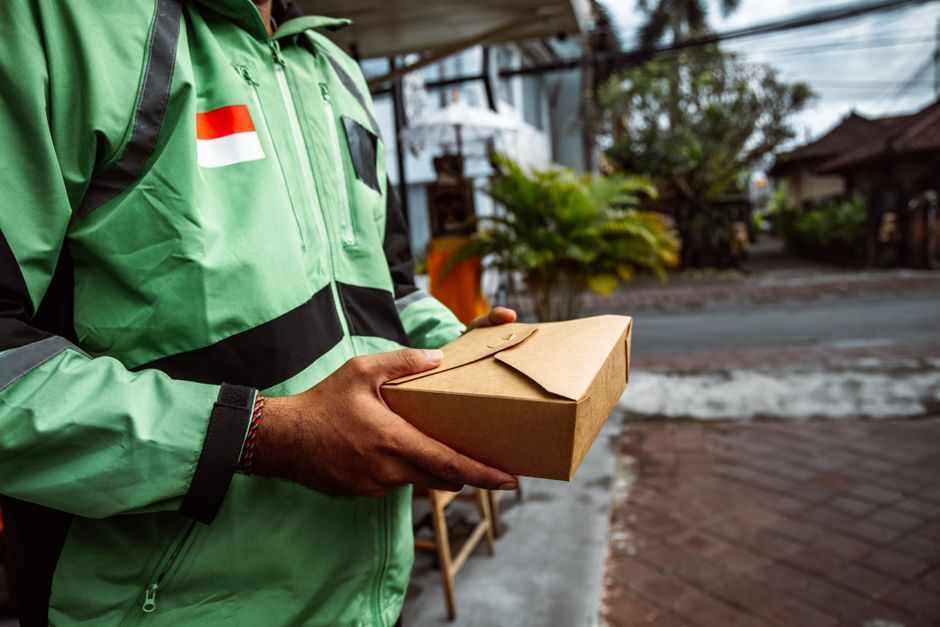
Food Package Delivery: Compare Cost, Timing, and Safety
Compare food package delivery by full order cost, delivery timing, and safe arrival temperatures.

How Can You Choose Online Degrees for International Students?
Online degrees for international students require checks on recognition, eligibility, admissions, country access, and visa limits.

How Can I Choose Affordable, Social and Flexible Courses After 50 in Australia?
Compare U3A, TAFE, libraries and short courses to find affordable, social and flexible learning after 50 in Australia.
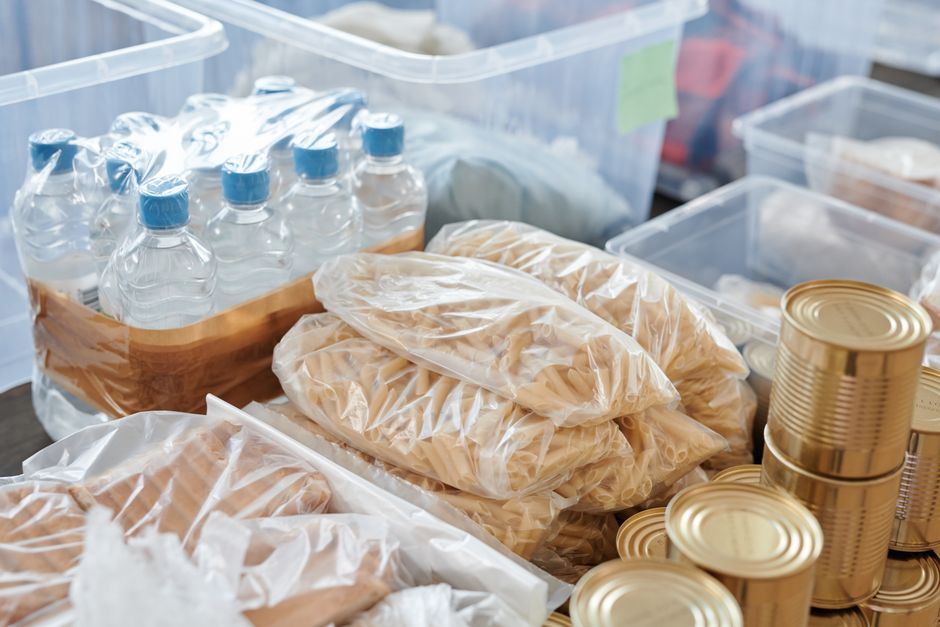
What Is the Best Bottled Water for Your Priorities?
The best bottled water depends on your priorities; compare its source, treatment, price, taste, and packaging rather than chasing one brand.