
What Is the Best Bottled Water for Your Priorities?
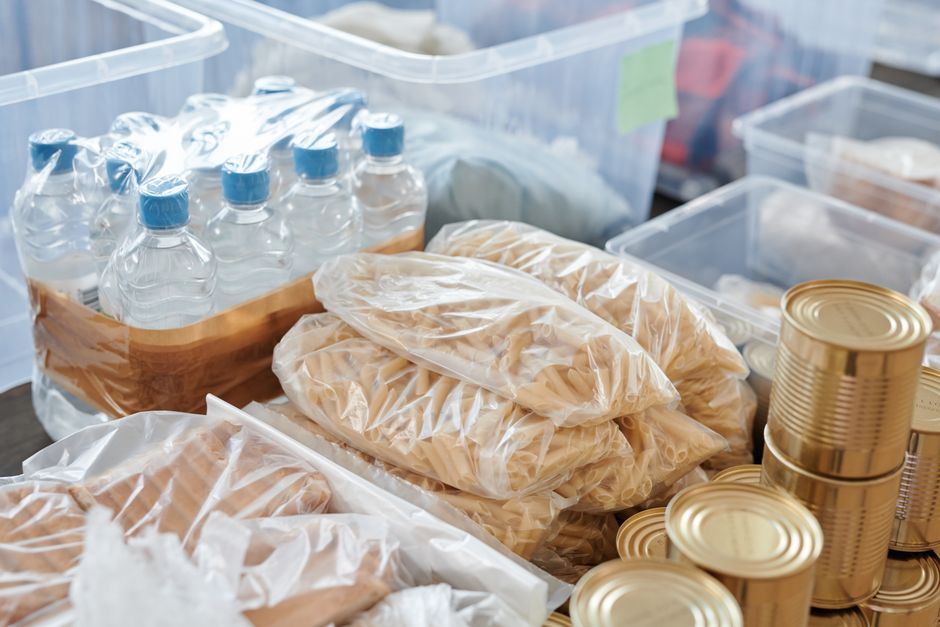
What is the best bottled water depends on what matters most to you: taste, price, source, mineral content, or packaging. There is no single best brand for everyone, and the provided sources do not compare brand-level taste or prices. Start by checking the label for source and treatment, then weigh those details against packaging and your budget rather than relying on claims about special health benefits.
What is the best bottled water to drink every day?
The best bottled water to drink every day is the option that fits your taste, budget, source preferences, and packaging priorities. The available research sources do not rank brands or provide comparable prices, so a specific brand winner would be guesswork. A more useful first step is to identify what the water label actually promises.
Federal labeling rules distinguish several types. Under the Electronic Code of Federal Regulations, spring water comes from an underground formation that naturally flows to the surface, and the spring location must be identified. Mineral water must have at least 250 parts per million of total dissolved solids from a protected underground source; its minerals cannot be added later.
Purified water, by contrast, is produced through distillation, deionization, reverse osmosis, or another suitable process, and its label may name the treatment used. These categories describe source or treatment, not a universal ranking of taste or suitability. For a daily choice, compare the label information you value rather than assuming one category is automatically best.
Which bottled water tastes the best?
The best-tasting bottled water is the one you prefer; the sources provided do not include a controlled taste comparison or brand rankings. Mineral content can be a useful point of comparison because the federal definition of mineral water calls for a consistent level and relative proportions of minerals and trace elements at the source. That label category alone, however, does not establish which water any individual will prefer.
Use a simple comparison: note the water type, source details, and treatment, then compare those facts with your own taste preference. If choosing between options matters, try them side by side before committing to a larger purchase. That is a practical way to make the decision without treating advertising language as evidence of a taste advantage.
Electrolyte-enhanced water is another product description shoppers may encounter, but the supplied sources do not explain its composition, compare it with other waters, or establish a taste advantage. Check the label for what it says about the product, and avoid inferring health or performance benefits from the category name alone.
Is spring water better than purified bottled water?
Spring water is not automatically better than purified bottled water; the terms describe different things. Spring water identifies an underground source that naturally flows to the surface, while purified water identifies water produced by a specified treatment process. The federal definitions make those distinctions clear, but they do not declare one category superior.
To compare them, match the category to your priorities. If knowing the source is central, look for spring water and its identified spring location. If treatment details matter more, check whether the purified-water label names distillation, deionization, reverse osmosis, or another suitable process. The sources provided do not supply brand-level testing results or a side-by-side quality ranking, so do not treat category names as a substitute for specific product information.
Health claims also deserve a separate check. Mayo Clinic says alkaline water is not better than plain water for most people, and Harvard Health reports no evidence for choosing bottled alkaline water over safe tap water or regular bottled water. That makes source and treatment details more useful shopping facts than an unsupported promise of special benefits.
Which bottled water is best for the price?
The best bottled water for the price is the one that meets your needs at a cost you consider reasonable; the provided sources publish no comparable brand prices. Compare package prices and quantities in the shop, and then decide whether source, treatment, or packaging justifies any difference for you. The research here cannot name a cheapest brand without inventing data.
Packaging can affect the choice, but “recyclable” does not mean “recycled.” The U.S. Environmental Protection Agency estimates that in 2018, 29.1% of PET plastic bottles and jars were recycled, compared with 29.3% of natural HDPE bottles, including water jugs, and 31.3% of glass containers. These rates are outcomes across collection and processing systems, not guarantees for a particular local program or product.
Use this comparison table as a label-reading guide. Brand-specific prices, taste rankings, and glass availability are not published in the supplied sources, so those cells are identified accordingly.
| Option | Who it suits | Cost | Key limitation |
|---|---|---|---|
| Spring water | Shoppers prioritizing an identified spring source | not published | Source definition does not establish taste preference or superiority |
| Mineral water | Shoppers seeking water meeting the federal mineral-water definition | not published | Must meet the 250 ppm TDS threshold; minerals cannot be added later |
| Purified water | Shoppers prioritizing a stated treatment process | not published | Brand-level treatment and quality details are not provided here |
| Alkaline bottled water | Shoppers who prefer it for reasons other than established health benefits | not published | Evidence does not show it is better for most people |
| PET, natural HDPE, or glass packaging | Shoppers comparing packaging and recycling outcomes | not published | Recycling depends on collection and processing; brand availability is not published |
Frequently Asked Questions
Does alkaline bottled water offer any health benefits?
Mayo Clinic says alkaline water is not better than plain water for most people, and claims that it prevents disease are not established. Harvard Health likewise reports no evidence for choosing it over safe tap or regular bottled water. Mayo Clinic notes safety concerns with water above pH 9.8, particularly for people with kidney disease.
How can I compare bottled water sources and quality?
Read the label for the water type, source, and any treatment name. Federal rules define spring, mineral, and purified water by different source or treatment characteristics. The sources provided here do not include brand-specific quality reports, so use a brand's own report for details not shown on its label.
Which bottled water comes in glass or more recyclable packaging?
The provided sources do not identify which brands sell glass bottles. EPA's 2018 estimates put recycling rates at 31.3% for glass containers, 29.1% for PET bottles and jars, and 29.3% for natural HDPE bottles, including water jugs. Those figures are national estimates, not a guarantee that a particular package will be recycled where you live.
Sources
Related reading

Choose Cleaning Equipment That Fits Every Room and Floor
Choose cleaning tools by surface, mess, storage, effort, and maintenance, with clear guidance for steam mops, vacuums, and carpet cleaners.

Can a Portable Solar Generator Run My Essential Outage Loads?
Calculate portable solar generator runtime, account for losses, and check startup surge before an outage.

How Do You Use and Troubleshoot the Bissell SpotClean Pro?
The Bissell SpotClean Pro sprays cleaning solution onto carpet or upholstery, then extracts loosened dirt into a separate tank.