
What Does a Warehouse Forklift Operator Do?
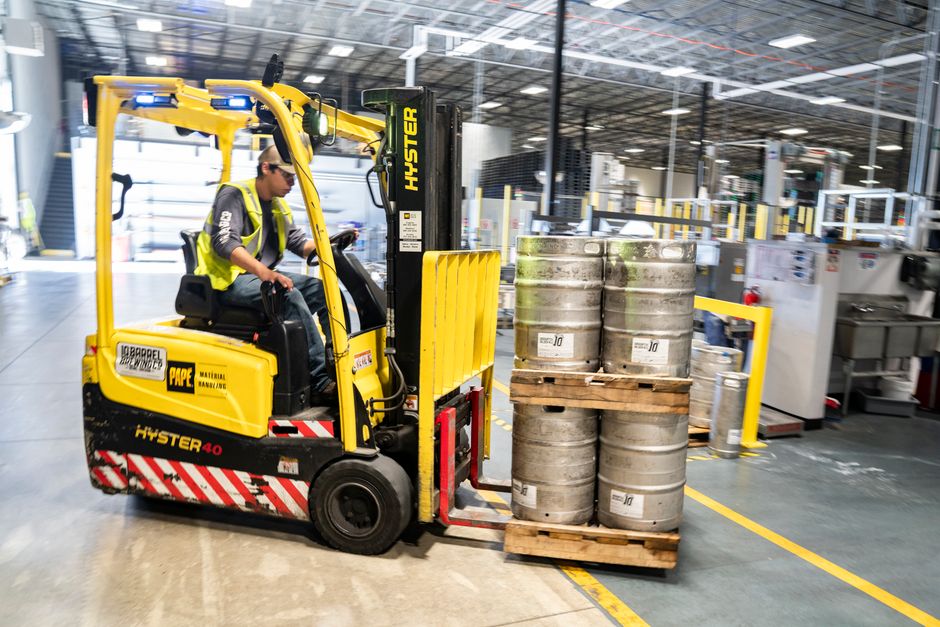
A warehouse forklift operator moves, loads, unloads, and sometimes picks materials while checking equipment, tracking goods, and following site safety rules. The job takes more than driving: employers train and evaluate operators on the specific truck and workplace. Pay varies by location, shift, experience, and equipment type, so compare local wage data and the full duties in each listing.
What does a forklift operator do in a warehouse?
A forklift operator moves goods through a warehouse and helps load or unload shipments. The work also includes setting up and inspecting equipment, following a movement plan, keeping records of materials moved, and sometimes checking goods for damage, according to the Bureau of Labor Statistics.
The shift is wider than driving. A listing may also include order picking, scanner use, inventory checks, or general warehouse duties. Ask which tasks take up the shift, how accuracy is tracked, and whether the operator is expected to move between different truck types.
A safe move begins before the forks lift. Operators check the truck and surroundings, handle loads with care, and watch for people, traffic, floor limits, and clearance. The work changes with the site and equipment, so a skill learned on one truck does not automatically show competence on another.
What is the highest paid forklift operator?
There is no single highest-paid forklift operator figure in the supplied national data. The Bureau of Labor Statistics reports a May 2025 median annual wage of $46,420 for industrial truck and tractor operators, a category that includes forklift operators; this is a median, not a top salary or a promise of what a specific warehouse pays.
Pay depends on where the job is, the shift, experience, and the work or equipment involved. Some operators work overnight because shipments move around the clock. A shift differential can affect a particular listing's pay, but the provided national wage source does not set a universal premium for nights or specialized trucks.
Use local data rather than treating a national median as a local offer. The BLS Occupational Employment and Wage Statistics provides estimates by state, metro and nonmetro area, and industry. Compare those figures with the stated range, schedule, and required equipment in each job posting.
| Pay question | What the data tells you | How to use it |
|---|---|---|
| National benchmark | May 2025 median: $46,420 annually for industrial truck and tractor operators | Use as a broad midpoint, not a guaranteed wage |
| Local pay | May 2024 estimates are available by state and area | Check the relevant location and industry |
| Top specialty or shift | The supplied sources do not quantify a single highest-paid specialty or shift premium | Compare actual job listings and their requirements |
Who is a forklift operator's salary?
A forklift operator's salary is the pay an employer offers for operating material-moving trucks, and it varies with the job and location. For a national reference, BLS lists a May 2025 median of $46,420 a year for industrial truck and tractor operators; the broader material moving machine operators group had a median of $46,670.
Those figures describe different occupational groupings, not conflicting pay promises. The detailed industrial truck category is the closer match for forklift work. Neither median tells you the exact wage for a warehouse near you, and the estimates are from different BLS releases and years.
Read job listings as a bundle of pay and conditions. Check the hourly range, shift, required experience, truck types, and duties beyond operating equipment. A higher stated rate can come with overnight hours or broader responsibilities; compare like with like before deciding which offers the stronger fit.
Is it hard to pass a forklift test?
A forklift test is manageable with relevant instruction and safe practice, but it requires more than memorizing answers. BLS says some forklifts may take only a few days to learn. Federal rules require formal instruction, practical training, and evaluation of performance in the workplace before the employer certifies an operator.
Study the truck's controls, safe operating practices, load handling, and site-specific hazards. In the practical portion, expect to show that you can inspect the truck, spot damage, and report a problem before use. A Cal Poly evaluation checklist also checks load centering, fork position, safe speed, warnings, corners, clearances, and parking.
Online coursework can support formal instruction; it does not prove workplace competence on its own. OSHA describes training as a mix of instruction, practical training, workplace evaluation, and certification. Trainees may practice only under direct supervision and where doing so does not endanger anyone.
How can you move from warehouse newcomer to evaluated operator?
A realistic path has seven steps. The sequence helps you find training that fits the job instead of relying on a generic certificate.
- Read the listing closely. Note the truck type, required experience, schedule, pay range, and non-driving duties.
- Ask about the entry route. The Bureau of Labor Statistics says operators typically learn on the job. Ask whether the employer hires newcomers and provides training.
- Confirm the training plan. Federal rules call for formal instruction and practical training, followed by an evaluation of workplace performance.
- Learn the actual equipment. Training should match the truck types and hazards at the worksite. A general online course alone does not establish site-specific competence.
- Practice under supervision. Trainees may operate only under direct supervision and in conditions that do not endanger people.
- Complete the evaluation. Demonstrate safe inspection, travel, and load handling in the workplace. The employer certifies training and evaluation, including the operator's name, dates, and trainer or evaluator identity.
- Keep skills current. Refresher training is required in specified situations, such as unsafe operation, an accident or near miss, a different truck type, or a relevant workplace change. Operators must be evaluated at least every three years.
For temporary workers, OSHA says staffing agencies and host employers share responsibility for proper training. The host employer is generally best placed to provide site-specific instruction and evaluation, since it knows the equipment and hazards at the workplace.
How should you compare warehouse forklift listings?
Compare the whole job, not only the hourly number. A listing that says “forklift operator” can still include picking, loading, unloading, inventory accuracy, and other warehouse duties. The BLS notes that warehousing and storage accounted for 33% of material moving machine operator jobs in 2025, and some operators work overnight.
- Training: Is training provided, and does it include practical instruction and workplace evaluation?
- Equipment: Which truck types will you operate, and does the employer train for each one?
- Pay: Is the range clear? Does it align with local and industry estimates?
- Schedule: Which shifts are available, including overnight work?
- Daily duties: How much of the shift involves driving, picking, scanning, loading, or inventory work?
- Evaluation: Who evaluates operators, and how are refresher training and periodic evaluations handled?
These questions reveal the trade-off between pay, schedule, training, and workload. A job is easier to assess when the employer describes the truck, the evaluation, and the tasks beyond driving.
Frequently Asked Questions
Can I get a warehouse forklift operator job with no experience?
Yes. The Bureau of Labor Statistics says forklift operators typically learn on the job, and some forklifts take only a few days to learn. Ask whether a listing includes paid training and a workplace evaluation; an online course alone does not show that you can operate the specific truck safely.
Does an employer have to provide forklift training and evaluation?
Before allowing an employee to operate a powered industrial truck, the employer must ensure the required training and evaluation are complete, subject to the standard's provisions for trainees. Training combines formal instruction, practical training, and workplace evaluation, and the employer documents the operator's training and evaluation.
Which forklift skills or equipment certifications can lead to higher pay?
The provided sources do not establish a pay premium for a particular forklift skill or certification. They do show that training must address the truck types and workplace hazards involved, and that pay estimates vary by location and industry. Compare local listings for specific equipment requirements and wage ranges rather than assuming a certificate guarantees higher pay.
What should I expect during a forklift operator's practical evaluation?
Expect to show safe inspection, travel, and load handling on the relevant truck and at the workplace. An evaluation checklist can include checking for damage, centering and stabilizing loads, watching traffic and clearances, slowing at corners, setting loads down safely, and parking with forks lowered and brakes set.
Sources
- U.S. Bureau of Labor Statistics, Occupational Outlook Handbook
- Electronic Code of Federal Regulations, 29 CFR 1910.178
- U.S. Bureau of Labor Statistics, Occupational Employment and Wage Statistics
- Occupational Safety and Health Administration, Powered Industrial Truck Training
- Cal Poly Environmental Health and Safety, Forklift Operator Evaluation Form
Related reading
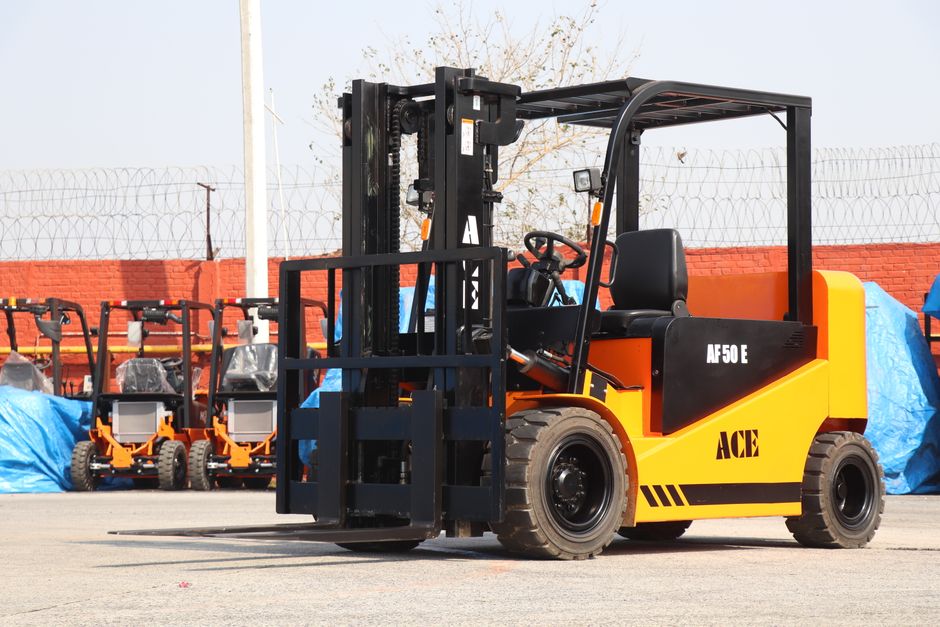
What Are the Warehouse Forklift Types?
The seven warehouse forklift types suit different loads, aisles, rack heights, floors, and workflows; check capacity and aisle specifications before choosing.

How Can Hotels Build Leadership Development That Retains Staff?
Build practical hotel leadership paths that prepare frontline employees for management and help supervisors support retention.

Do Dubai Freelancers Need to Register for Corporate Tax and VAT?
Understand when Dubai freelancers face corporate tax and VAT registration, how to file, and whether UAE Small Business Relief may apply.

How Do You Redesign Conference Sessions for Peer Learning?
Plan conference sessions around attendee goals with interactive formats, peer learning, and measures of usefulness beyond applause.