
Plan, Compare, and Order New Kitchen Cabinets
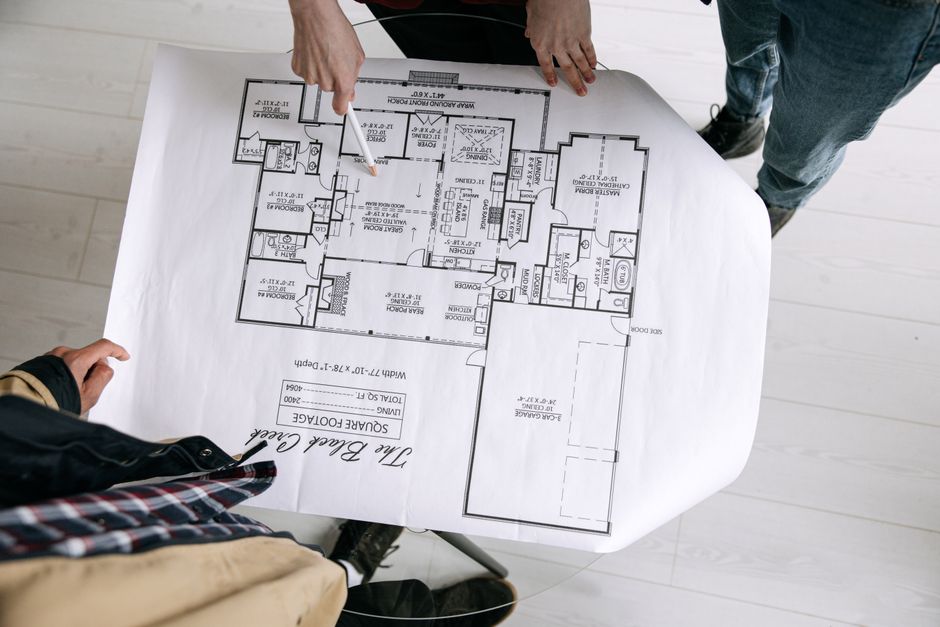
To buy new kitchen cabinets with fewer budget surprises, measure the room and confirm appliance openings before requesting itemized quotes. Compare installed prices by cabinet type, inspect construction and certification, and ask what removal, hardware, repairs, and utility work cost extra. Confirm drawings, delivery timing, and installation responsibilities in writing, then inspect each cabinet when it arrives.
How much do new kitchen cabinets cost, including installation?
New kitchen cabinets with professional installation can cost $1,935–$10,769 in 2026, with a reported average of $6,191, according to HomeAdvisor. The range is broad because kitchen size, cabinet type, and materials affect the estimate; use the average as a reference point, not a guaranteed quote.
HomeAdvisor gives installed per-linear-foot estimates of $100–$300 for stock, $150–$650 for semi-custom, and $500–$1,200 for custom cabinets. These ranges overlap, so compare actual proposals using the same room measurements and scope. A low cabinet price is not a low project price if installation or removal is left out.
Ask the contractor to mark each line item as included, excluded, or not applicable. HomeAdvisor lists old-cabinet removal at $350–$800, sometimes up to $1,000; drywall repairs at $300–$900; and plumbing or electrical relocation as potential extras. Hardware may also cost extra: ask whether it is included and, if not, what is specified. HomeAdvisor reports hardware can cost $2–$50 per piece and notes that stock cabinets include hinges.
What should I check to tell whether kitchen cabinets are well made?
Check construction details, moving parts, finish, and any independent certification instead of relying on a showroom label. A useful buying question is: “What cabinet construction and hardware are included, and can you identify the certification?” Then compare the answer with the written specification.
The Kitchen Cabinet Manufacturers Association (KCMA) says certified cabinets pass 14 third-party tests covering structural integrity, drawer and door operation, and finish performance, including a 600-pound wall-cabinet load test. Both framed and frameless cabinets can qualify for ANSI/KCMA A161.1 certification. Certification gives you a defined quality check; it does not mean every cabinet at a particular price point is identical.
Woodworking Network describes further test details: loaded drawers are operated for 25,000 cycles, and wall cabinets are gradually loaded to 600 pounds. The standard also addresses rigid construction, doors and drawers that close without excessive binding, and materials suited to kitchen exposure to water, detergent, grease, and steam. Ask for details that can be verified, such as the certification and the hardware specified, rather than treating a broad phrase like “premium quality” as a specification.
Material names alone also do not settle the quality or sourcing question. KCMA’s Environmental Stewardship Program criteria cover documented resource-sustainability practices: for the relevant criterion, 80% of particleboard, medium-density fiberboard, and plywood used in cabinets must be certified under CPA ECC or Benchmark CWSS. The program also recognizes chain-of-custody certification through a recognized sustainable forestry program. Ask what documentation the supplier can provide.
Are plywood cabinet boxes worth paying extra for over particleboard?
The supplied sources do not establish that plywood cabinet boxes are always worth an added price over particleboard. They provide no direct, like-for-like price comparison or test result showing that one substrate alone determines the quality of a finished cabinet.
Compare the complete cabinet specification instead: construction, finish, drawer and door operation, hardware, and any available independent certification. KCMA’s environmental criteria apply to plywood and particleboard as well as medium-density fiberboard, which is a reminder that the substrate name by itself does not establish documented sourcing practices. Ask the seller to state the material and construction details in writing, then compare the total quote.
Use this question to keep the conversation concrete: “What is the box made of, what is included in the price difference, and what certification or sourcing documentation is available?” If a seller gives a clear material specification but cannot substantiate a broader durability claim, treat those as separate points rather than assuming the claim follows from the substrate.
Should I buy stock, semi-custom, or custom cabinets?
Choose among stock, semi-custom, and custom cabinets by weighing the installed price range against how closely the option fits your kitchen and project scope. HomeAdvisor’s installed estimates are $100–$300 per linear foot for stock, $150–$650 for semi-custom, and $500–$1,200 for custom cabinets; the supplied source does not publish option-by-option details about sizing flexibility or lead times.
That makes the quote comparison the decision tool. Ask each supplier to price the same measurements, installation scope, hardware, removal, and any repairs or utility work. Then record what is known and what is not, rather than filling gaps with assumptions.
| Option | Who it suits | Installed cost per linear foot | Key limitation in supplied sources |
|---|---|---|---|
| Stock | Not published | $100–$300 | Fit and lead-time details not published |
| Semi-custom | Not published | $150–$650 | Fit and lead-time details not published |
| Custom | Not published | $500–$1,200 | Fit and lead-time details not published |
Before approving an order, align the drawings with accurate measurements and appliance openings. The NAHB cabinet-installer checklist calls for confirming order lead time and delivery schedule, completing painting in cabinet areas, and clearing access to the installation area. It says drawings and accurate measurements should be complete two weeks before the cabinets are needed on site, and flags coordinating trim materials and reserving workspace for installers.
Put delivery and installation handoffs in writing: who receives the shipment, who checks it against the order, and who addresses a mismatch. The NAHB cabinet quality-control checklist identifies level and plumb installation within ±1/8 inch, locations shown on plans, smooth drawer operation, aligned and unwarped doors, undamaged faces, uniform color and grain, correct appliance openings, trim, and water-line holes as items to check. Keep the order and drawings available during delivery and installation so issues can be matched to the agreed plan.
Frequently Asked Questions
What should an itemized cabinet quote include, and what costs are often excluded?
Ask the quote to identify cabinet type and materials, installation, hardware, removal, and any planned drywall, plumbing, or electrical work. HomeAdvisor lists old-cabinet removal, hardware, drywall repairs, and utility relocation among possible extra charges, so get each included or excluded item stated in writing.
How far ahead should I order cabinets before a kitchen renovation?
The provided sources do not publish a universal ordering lead time. The NAHB installer checklist says to confirm the order lead time and delivery schedule, and to complete cabinet drawings and accurate measurements two weeks before the cabinets are needed on site.
What should I inspect when new cabinets are delivered?
Check the delivered items against the order and plans, and look for nicks, scratches, inconsistent color or grain, and warped doors. Confirm drawers operate smoothly and appliance openings and water-line holes are in the right places; the NAHB checklist also identifies alignment, trim, and level installation as items to verify.
What measurements and appliance details do I need before ordering cabinets?
Prepare accurate kitchen measurements and cabinet drawings, and confirm appliance openings against the plans. The NAHB checklist identifies accurate measurements and drawings as necessary, but the supplied sources do not specify a complete measurement template or a required list of appliance model details.
Sources
Related reading
How Should I Plan a Bathroom Makeover Budget?
Plan a bathroom makeover in phases, separate cosmetic updates from permit work, and use reliable budget benchmarks without guessing.

Choose Cleaning Equipment That Fits Every Room and Floor
Choose cleaning tools by surface, mess, storage, effort, and maintenance, with clear guidance for steam mops, vacuums, and carpet cleaners.

Can a Portable Solar Generator Run My Essential Outage Loads?
Calculate portable solar generator runtime, account for losses, and check startup surge before an outage.

How Can You Make Showering Safer for an Older Adult?
Match shower equipment to mobility, plan safer transfers, and know when grab bars, bathroom changes, or a professional assessment are needed.