
What Are the Best Longevity Breakfast Recipes?
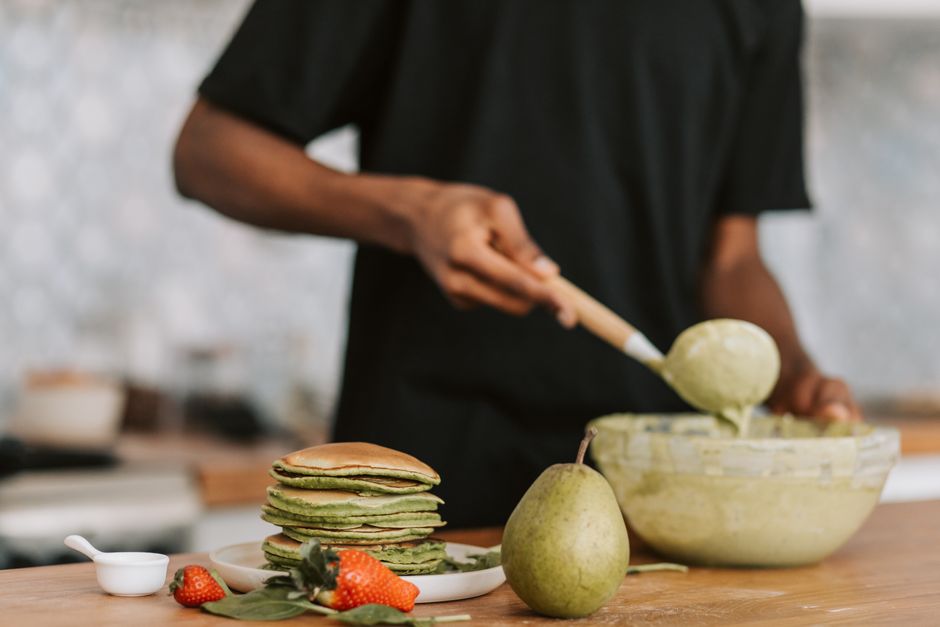
The best longevity breakfast recipes combine minimally processed foods with protein and fiber: oats with soy milk, nuts and fruit; a bean-and-rice bowl; or tofu with vegetables and whole grains. Build the meal from ingredients you can prepare on your schedule, then adjust portions and toppings for your appetite. These patterns support a satisfying breakfast; no single food or recipe guarantees a longer life.
What is the best breakfast for longevity?
The best breakfast for longevity is a balanced meal built around whole or minimally processed foods, a protein source and a fiber-rich ingredient. A bowl of oats with soy milk, fruit and nuts is one template; beans with whole grains and vegetables is another.
The National Institute on Aging lists beans, peas, nuts, seeds, soy products, seafood and eggs as protein sources for older adults. It also recommends nutrient-dense choices and limiting added sugar, saturated fat and sodium. Whole oats and other whole grains add fiber, and the NIA recommends that at least half of grain foods be whole grains.
There is no single “number one” longevity food in the supplied evidence. A review of Blue Zones cautions that the presence of a diet in a long-lived population does not prove that the diet caused longevity. Use regional meals as inspiration, not a prescription.
Which longevity breakfast recipes are high in protein and fiber?
Recipes that combine legumes, soy, nuts or seeds with oats, fruit or whole grains can provide both protein and fiber. The table offers practical estimates for choosing a format; actual nutrient totals depend on the ingredient entries, brands and serving sizes selected. Check the USDA’s FoodData Central entries for precise values when you settle on portions.
| Recipe | Prep time | Key ingredients | Approx. protein | Approx. fiber |
|---|---|---|---|---|
| Oats, soy and fruit | 5 minutes, plus soaking if desired | ½ cup oats, 1 cup fortified soy milk, 1 tablespoon chia seeds, ½ cup berries | About 15–20 g | About 10–14 g |
| Bean-and-rice breakfast bowl | 10 minutes with cooked grains | ½ cup beans, ½ cup brown rice, ¼ cup sautéed pepper and onion, herbs | About 10–13 g | About 8–11 g |
| Tofu greens toast | 10 minutes | ½ cup firm tofu, 1 slice whole-wheat toast, ½ cup greens, seeds | About 15–20 g | About 5–8 g |
These are estimates, not lab measurements; ingredient sizes and food-composition entries change the totals. The National Heart, Lung, and Blood Institute lists 25–30 grams of fiber per day for healthy adults, while noting that individual needs differ. Its guide names whole oats, barley, fruits, vegetables and legumes as good sources of soluble fiber and explains that fiber-rich foods can help people feel full.
Oats with soy, fruit and seeds
Stir ½ cup rolled oats into 1 cup fortified soy milk. Top with ½ cup berries and 1 tablespoon chia or ground flaxseed. Serve cold after an overnight soak, or heat until soft. For a dairy-free version, use fortified soy milk; for more protein, add extra soy yogurt or a spoonful of nut butter.
Bean-and-rice breakfast bowl
Warm ½ cup cooked beans and ½ cup cooked brown rice with a splash of water. Fold in ¼ cup cooked onion and pepper, then finish with herbs and a small spoonful of salsa if available. Use any cooked bean in place of another; add a spoonful of seeds or a side of tofu when you want more protein.
Tofu greens toast
Crumble ½ cup firm tofu into a pan with ½ cup chopped greens and a little water. Heat until warm, season with herbs, and serve on one slice of whole-wheat toast with seeds. If tofu is unavailable, use mashed beans; for a higher-protein meal, increase the tofu portion.
What can I make for a longevity breakfast in under 10 minutes?
For a breakfast in under 10 minutes, choose overnight oats, a warmed bean-and-rice bowl made from leftovers, or tofu on whole-grain toast. Each recipe relies on a short assembly step rather than a long cook.
Overnight oats take about five minutes to assemble: combine the oats, soy milk and seeds in a container, refrigerate, then add fruit in the morning. If there is no time to soak, microwave oats with milk or water and add the toppings after cooking.
The bean bowl takes about 10 minutes when the rice and beans are already cooked. Keep portions of cooked grains and beans ready in the refrigerator, or use plain canned beans that have been drained and rinsed. The tofu toast also fits a quick morning when greens are washed and the pan is ready.
For a lower-cost version, make the bean bowl the default and vary the herbs or vegetables rather than buying a new set of specialty toppings. Oats, beans and seasonal fruit can serve as the base; nuts, seeds and fortified soy foods are optional additions. Choose unsweetened products when possible to keep added sugar in check.
What do people in Blue Zones eat for breakfast?
Reported Blue Zone breakfast examples include Nicoyan gallo pinto with corn tortillas and coffee, and an Okinawan morning meal with tofu and plant-based dishes. These regional meals show ways to build breakfast around staple plant foods; they do not show that one menu causes a long life.
National Geographic’s account describes Nicoyan gallo pinto as rice and beans, with beans cooked with onions, peppers and herbs. The same report describes an Okinawan meal featuring tofu and plant-based dishes. It also notes that corn and beans together provide all nine essential amino acids, a food-combination claim rather than evidence that this breakfast itself extends life.
A review by Pes and colleagues covering Okinawa, Ikaria, Sardinia and Nicoya stresses that Blue Zone diets are not necessarily uniform or stable over time. The authors caution that documenting a diet in a long-lived population does not prove it caused longevity. The article also describes diet as one part of a broader set of lifestyle factors, so recipes belong in a wider context.
For another useful comparison, the Mediterranean pattern emphasizes fruit, vegetables, legumes, cereals, nuts and olive oil. A review of the PREDIMED trial reports cardiovascular outcome reductions for the overall dietary patterns supplemented with extra-virgin olive oil or nuts; those results concern cardiovascular outcomes, not a breakfast recipe or lifespan. The practical lesson is to borrow the pattern of varied plant foods without turning any single dish into a promise.
Frequently Asked Questions
How can I make a longevity breakfast without eggs or dairy?
Use tofu, beans, nuts, seeds or soy foods for protein, and add oats, fruit or vegetables for fiber. Fortified soy milk or yogurt can provide added calcium and vitamins A and D; other plant milks do not always have comparable fortification.
Can I meal-prep longevity breakfasts for the week?
Yes. Prepare oats, cooked beans or whole grains ahead, then portion them and add fresh fruit, nuts or vegetables when serving. Keep toppings separate when you want to preserve texture.
What breakfast foods support long-lasting energy as I age?
A meal that pairs protein with fiber-rich foods can be filling. Oats, fruit and legumes supply fiber, while beans, tofu, nuts, seeds, eggs and seafood are protein options identified by the National Institute on Aging.
Sources
Related reading
What Is the Best Bottled Water for Your Priorities?
The best bottled water depends on your priorities; compare its source, treatment, price, taste, and packaging rather than chasing one brand.

How Do You Use and Troubleshoot the Bissell SpotClean Pro?
The Bissell SpotClean Pro sprays cleaning solution onto carpet or upholstery, then extracts loosened dirt into a separate tank.