
Can I Start a Nursing Program After 50?
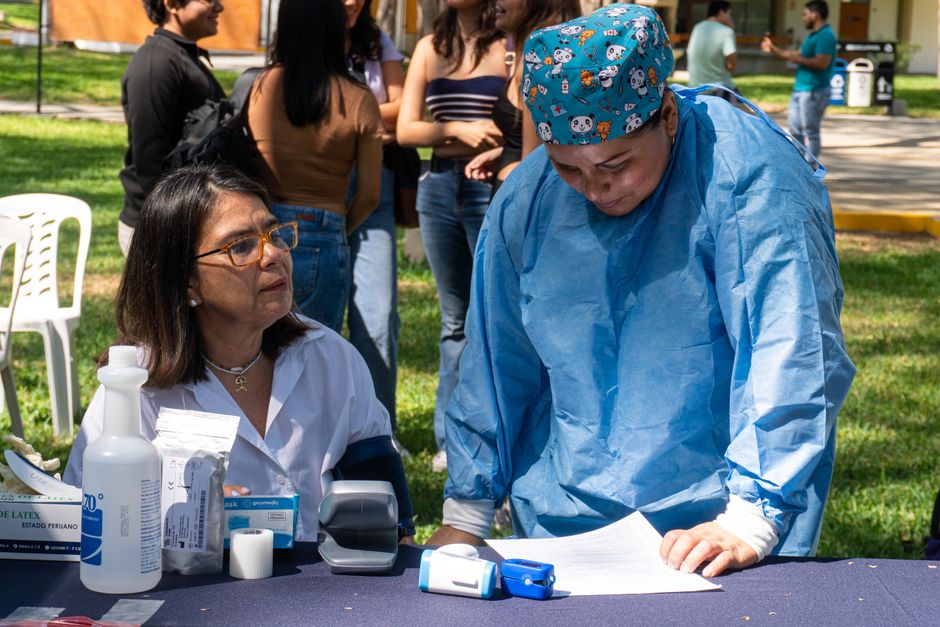
Yes. Nursing programs for over 50 have no general upper age limit in the sources reviewed; schools set their own admission rules, and state boards set licensure requirements. You can pursue an ADN or BSN route to registered nursing, but both include supervised clinical experience. Compare prerequisites, schedules, physical demands, total costs, and program approval before enrolling.
Can I get into nursing school at 50, and is there an age limit?
Yes, you can apply at 50; the sources reviewed do not describe a general upper age limit. Each school sets its admissions requirements. For example, Saddleback College’s 2026 ADN packet requires applicants to be at least 18 and lists no upper age limit.
Admission depends on preparation, not age alone. Saddleback requires anatomy, physiology, microbiology, and English. Its physiology prerequisite must be completed within seven years, science prerequisites require a cumulative GPA of at least 2.8, and the listed application requires a TEAS score of at least 62%. These are one college’s requirements, not a universal checklist.
Use a readiness checklist before applying:
- Compare prerequisite courses and whether older science credits still count.
- Check minimum grades, test scores, application windows, and selection rules.
- Ask whether academic refreshers are available if coursework is dated.
- Confirm health, immunization, screening, background-check, insurance, and CPR requirements.
- Map class and clinical schedules against work, caregiving, transport, and recovery time.
Age answers only one question. The more useful question is whether the program’s entry rules, weekly demands, and licensure pathway fit your circumstances.
Which is a faster route to becoming an RN after 50: an ADN or a BSN?
An ADN is often the shorter college route on paper, but the actual time depends on prerequisites, admission timing, and local program structure. The Bureau of Labor Statistics lists typical durations of four years for BSN programs and four years for ADN/ASN programs; Saddleback College, for comparison, describes its ADN as two years and four semesters. These figures reflect different program structures, so verify the calendar at each school.
The key distinction is the credential and the next step. Both associate and bachelor’s graduates of approved programs can pursue RN licensure by meeting state requirements and passing the NCLEX. BLS says licensed graduates of associate, bachelor’s, and diploma programs generally qualify for entry-level staff-nurse jobs, while some employers—particularly hospitals—may require a BSN. A practical-nursing program is a separate pathway and does not itself make a graduate an RN; confirm the credential and scope tied to any program before enrolling.
| Route | What the sources say about time | Likely next step |
|---|---|---|
| ADN/ASN | BLS lists four years as typical; Saddleback’s ADN is two years and four semesters. | Meet state requirements and pass the NCLEX-RN; some employers may require a BSN. |
| BSN | BLS lists four years as typical. | Meet state requirements and pass the NCLEX-RN; the bachelor’s credential meets BSN requirements where employers specify them. |
| Diploma program | BLS lists two to three years as typical. | Graduates of approved programs generally qualify for entry-level RN jobs after licensure. |
According to the Bureau of Labor Statistics, the median RN wage was $93,600 per year in May 2024, and employment is projected to grow 5% from 2024 to 2034, with about 189,100 openings annually on average. Those national figures do not predict a particular graduate’s pay or hiring prospects. Compare local job requirements, program outcomes, tuition, and how soon you can realistically start.
Can I work while completing nursing prerequisites and clinical placements?
You can work while studying, but clinical placements and coursework can make a full work schedule hard to sustain. Saddleback College strongly recommends fewer than 20 work hours per week while students are enrolled in its ADN program. That advice is specific to its program, yet it signals a planning issue shared by demanding clinical schedules: required attendance may not fit neatly around a job.
Separate the path into two budgets: prerequisites and the nursing program. Prerequisite classes may be completed before admission, depending on the school. Once clinicals begin, placement schedules vary, and travel time, preparation, and required onboarding add hours beyond classroom time. Ask programs for sample weekly schedules and the expected notice for clinical shifts before relying on a fixed work pattern.
Build a complete cost estimate. Include tuition and program fees, books and equipment, health and liability insurance, screening costs, transport to clinical sites, and income lost if you reduce work. Saddleback’s packet estimates its program costs at $6,300, but schedules and placements vary; use that figure only for that program and ask what is included.
Financial aid can change the calculation. Federal Student Aid says undergraduate students may qualify for Pell Grants regardless of age if they have financial need, meet other requirements, and have not earned a bachelor’s, graduate, or professional degree. For the 2026–27 award year, the maximum Pell Grant is $7,395; the actual award depends on eligibility and the school’s determination. Complete the FAFSA and confirm that both the school and program are eligible.
How physically demanding are nursing school clinicals for older students?
Clinical placements can be physically demanding at any age. The Bureau of Labor Statistics says RNs may spend substantial time walking, bending, standing, and lifting or moving patients; hospital and nursing-facility shifts may include nights, weekends, and holidays. Nursing school clinicals prepare students for supervised patient care, so ask each program about its placement duties and health requirements.
“Registered nurses should be comfortable performing physical tasks, such as lifting patients. They may be on their feet for most of their shift.”
Do not treat age as a measure of physical ability. Instead, compare the program’s stated requirements with your current capacity and any guidance from a health professional who knows your situation. Ask how students learn safe patient-handling practices, what accommodations the school considers, and which tasks are essential to clinical completion. The program and placement site can explain their rules; do not assume an accommodation is available without confirming it.
Work expectations continue after graduation. The same physical demands apply to many RN roles, while schedules differ by setting. Ask local employers about shift patterns and job requirements, and compare those with your own needs before choosing a program.
Frequently Asked Questions
How much does nursing school cost, and what financial aid might be available to an adult student?
Costs vary by school and program. Saddleback College estimates its ADN program costs at $6,300, while the total budget should also account for fees, equipment, travel, insurance, and income lost during clinical placements. Eligible undergraduates may qualify for a Pell Grant regardless of age; for 2026–27, the maximum award is $7,395, according to Federal Student Aid.
Will hospitals hire a newly qualified nurse in their 50s or 60s?
The sources do not report hiring outcomes by age. The Bureau of Labor Statistics says licensed graduates of associate, bachelor’s, and diploma programs generally qualify for entry-level staff-nurse jobs, though some employers, particularly hospitals, may require a BSN. Check the requirements of employers in the area where you plan to work.
How can I check that a nursing program is accredited and its graduates can qualify for licensure?
Check the state board of nursing where you plan to seek licensure and confirm the program is approved under its current rules. Search ACEN’s program listings if the school claims ACEN accreditation, and verify the accreditation period covers your expected graduation date. Then review the program’s NCLEX pass-rate data through NCSBN.
Sources
- U.S. Bureau of Labor Statistics — Registered Nurses
- Saddleback College — Associate Degree in Nursing Information Packet
- Federal Student Aid — Don’t Miss Out on Federal Pell Grants
- National Council of State Boards of Nursing — Approval of Nursing Education Programs
- Accreditation Commission for Education in Nursing — Accreditation Information for Students
- National Council of State Boards of Nursing — NCLEX Pass Rates
Related reading

How Can I Choose Affordable, Social and Flexible Courses After 50 in Australia?
Compare U3A, TAFE, libraries and short courses to find affordable, social and flexible learning after 50 in Australia.

How Can International Students Fund a Master's in Electrical Engineering?
A practical roadmap for international applicants seeking funded electrical engineering master's and research degrees.

How Do I Turn a Boarding-School Directory Into a Balanced Shortlist?
A practical spreadsheet method for narrowing a boarding-school directory by location, entry grade, school type, and application fit.