
How Can I Get Rent Assistance Right Now?
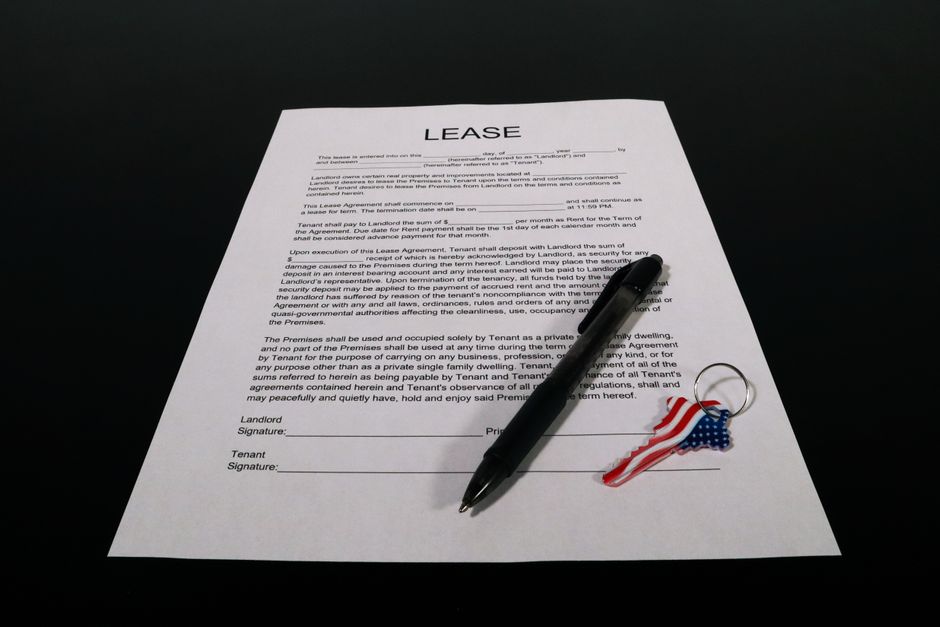
If you need rent assistance ASAP, call 211 and contact your local housing or community-action agency today to ask which programs are accepting applications, what deadlines apply, and what documents they need. Apply through open local programs while contacting your landlord about a payment plan. If you have an eviction notice or court papers, contact legal aid promptly; a pending aid application does not replace court deadlines.
Who can help me pay rent right now?
State, Tribal, and local organizations distribute rental assistance, so start with the offices and agencies that serve your town, county, or Tribal nation. The Consumer Financial Protection Bureau (CFPB) recommends checking local government offices and programs in your area. USAGov also points renters to 211 and state and local emergency rental-assistance programs; eligibility rules vary by state.
Call your local housing agency and community-action agency as well as 211. Ask each contact whether funds are open now, whether applications are being accepted, what the deadline is, and whether the provider requires your landlord to take part. A referral is a route to a program, not confirmation that money is available or that you qualify.
Treasury’s Emergency Rental Assistance program index links to state, local, territorial, and Tribal program websites. Treasury says ERA2 awards’ period of performance has ended, and grantees may no longer use those funds to assist renters. It directs renters to the CFPB housing portal for other resources and says to check whether a city, county, Tribe, or Tribally Designated Housing Entity has a more specific program.
“The period of performance for ERA2 awards has ended. ERA2 grantees may no longer use ERA2 award funds to assist renters.”
That status makes local verification essential: an old program page or referral does not establish that applications are open today. Ask whether a different fund or nonprofit can help if a government program is closed or you do not qualify. USAGov says a state or local agency may refer people who do not qualify for government programs to a community or nonprofit organization.
Does calling 211 get me rent money, or just referrals?
Calling 211 helps you find local options; it does not promise direct rent payment. United Way 211 describes local 211 as a resource for finding rent, mortgage, or utility assistance. Be ready to explain your housing situation, income, and household dependents so the service can identify relevant options.
Use the call to get specific next steps. Ask for the program name and contact details, whether it is taking applications, and what to do first. Then contact the referred provider directly to confirm current availability and requirements.
211 also advises renters to contact their landlord or property manager about options such as a payment plan. Treat this as a parallel task: referrals help locate programs, while landlord communication can clarify what happens to the unpaid balance as you seek help.
Where can I find rental assistance programs that are accepting applications?
Check the Treasury program index, the CFPB’s renter resources, your state or local government website, and your city, county, or Tribal housing office; then call to confirm that applications are open. The index links to program sites, but a listing alone does not show that a program currently has funds or is taking applications.
The CFPB says assistance funds can take several weeks to arrive after an application. That timing is a reason to apply promptly and ask what can happen while you wait; it is not a guarantee about any particular program’s processing time.
For longer-term help, ask a local public housing agency about Housing Choice Vouchers. The CFPB says vouchers can pay all or part of rent for eligible households, and directs renters to local public housing agencies for eligibility information. HUD-approved housing counseling agencies may offer low- or no-cost rental counseling; the CFPB lists 800-569-4287 as the number to call.
Keep a simple application record: provider, date submitted, confirmation or case number, documents requested, next follow-up, and the name of anyone you spoke with. If a provider asks for landlord participation, ask exactly what the landlord must submit and whether you can begin your part before that happens.
| Route | What it can do | What to confirm |
|---|---|---|
| 211 | Connect you with local assistance options | Which provider is accepting applications and how to contact it |
| City, county, state, or Tribal office | Identify government programs and local rules | Eligibility, open funding, deadlines, and required documents |
| Community-action or nonprofit agency | Offer or refer you to local help | Whether it has a current program and what it covers |
| Public housing agency or housing counselor | Explain voucher information or provide rental counseling | Eligibility steps and available counseling services |
What should I do if I have an eviction notice or court date?
Contact a lawyer promptly and ask the court clerk about deadlines and court dates; do not wait for a rental-assistance decision before acting on court papers. The CFPB says renters served with a demand for payment, eviction notice, or eviction lawsuit should contact a lawyer, and qualifying renters may be able to get free legal aid.
If a lawsuit has been filed, ask the court clerk when an answer is due and when you must appear. Ask whether mediation or housing-counselor referrals are available. The CFPB says a written answer can explain your defenses and include information about pending rental-assistance applications and landlord participation.
“So don’t delay—talk with a lawyer.”
Ask the judge or court clerk whether an eviction order can be put on hold while an assistance application is processed. The CFPB notes that outcomes depend on the case and local rules, so a request is not a guaranteed pause. Keep copies of notices, court papers, application confirmations, and messages with the landlord or provider.
At the same time, write to your landlord or property manager. The CFPB says many rental-assistance programs accept applications from both landlords and renters, and renters who apply often need landlord help to complete the process. Ask whether the provider has contacted them and what they need to do.
You can also ask about adjusted due dates, waived late fees, reduced temporary payments, or a repayment plan. The CFPB gives six months to a year as an example period for spreading back rent over time, not a universal program rule. Get any agreed terms in writing and keep them with your application records.
Frequently Asked Questions
Can I apply for help if I have no income or am missing documents?
Ask each program what alternatives it accepts and whether you can submit an application while gathering missing items. Eligibility and documentation rules vary by program and location, so do not assume that missing paperwork automatically disqualifies you.
What documents should I gather before contacting an assistance program?
Be ready to explain your housing situation, income, and household dependents to 211. Ask the program for its exact document list; if you lack a lease, income proof, identification, or a rent ledger, ask what substitute records or verification it accepts.
Will rent assistance pay my landlord directly, and what if my landlord will not cooperate?
Payment and application steps depend on the program. The CFPB says renters often need landlord help to complete an application, so ask the provider what participation is required and discuss a payment plan or adjusted due dates with the landlord.
What can I do while I am waiting for an application decision?
Track the application, follow up with the provider about missing items and timing, and keep your landlord informed. The CFPB says receiving funds can take several weeks after applying; if you have court papers, meet court deadlines and contact legal aid while the application is pending.
Sources
- U.S. Department of the Treasury, Emergency Rental Assistance Program Index
- Consumer Financial Protection Bureau, Get Help Paying Rent and Bills
- Consumer Financial Protection Bureau, What to Do If You’re Facing Eviction
- Consumer Financial Protection Bureau, Start a Conversation About Rent Repayment
- USAGov, Get Help Paying Rent
- United Way 211, Housing Expenses
Disclaimer: This article is for general information only and is not financial advice. It does not take your personal circumstances into account, and past performance does not predict future results. Speak to a licensed financial professional before making money decisions.
Related reading

Choose Cleaning Equipment That Fits Every Room and Floor
Choose cleaning tools by surface, mess, storage, effort, and maintenance, with clear guidance for steam mops, vacuums, and carpet cleaners.

Can a Portable Solar Generator Run My Essential Outage Loads?
Calculate portable solar generator runtime, account for losses, and check startup surge before an outage.